
Healthy Breakfast…
What is a healthy breakfast is something I get asked about on a regular basis…
Breakfast is a meal that many of us struggle with. Croissants and aromatic coffee, muesli, toasted bread, cereals, pancakes, yoghurt or muffins is what most of us eat as the first meal of the day. Are these healthy at all? And most importantly are they good enough to start our day off and give our bodies ‘the fuel’ for the day?
Having being taught from the early age that breakfast is the most important meal of the day, its importance has, unfortunately, become a victim of late nights out, busy life, stress, running late for work, and getting the kids out of the door as we have gotten older.
I usually start my day off with a glass of lukewarm water with linseeds. It helps to develop the bacteria we need for a healthy, regular, digestive transit. Linseed, extremely gentle in its nature, is powerfully effective as a natural remedy and has many uses. Trust me you will start feeling great as soon as the drink passes through your body.
The key components that should be part of your healthy breakfast, as well as any other meal of the day are: protein, carbohydrate, fiber and fats. The protein will help you stay alert during the day, making you feel energised, as well as will help you to avoid the crash that often comes with pastries, and coffee. The carbohydrates will provide a level of stored energy that is slowly released hours later, providing stamina as well as ….. Lastly healthy fats will give you the necessary energy needed to go about your day.
So let’s look at the food options, which have them.
Protein Shake or Smoothie:
First of all it is important to do a bit of a research to get the quality protein. Shakes are quick and often act as a full meal replacement. I often make mine with bananas, strawberries, blueberries, raspberries, papaya and a spoon of plain organic Greek yoghurt. I would advise to make own shake rather then the ones ready to drink.
Protein can also come from lean meats, eggs and peanut butter.
Eggs:
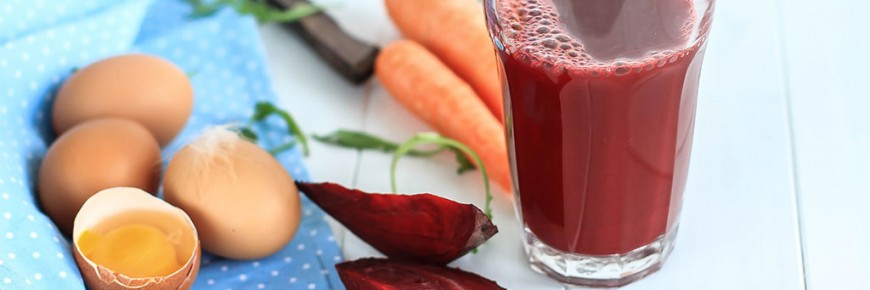
Eggs are the best source of protein. In fact, the eggs are nutrient-dense. The contain vitamins, protein and fats, as well as energy-dense with about 80 calories per egg. The cholesterol in eggs really shouldn’t scare you away from eggs completely. Most of the cholesterol in your body is made by your liver and the amount of cholesterol in your diet may not have as big an impact on your blood cholesterol as people once thought.
One of my favourite combinations is spinach and eggs wrap. Among the World’s Healthiest vegetables, spinach comes out at the top of our ranking list for nutrient richness. Rich in vitamins and minerals, it is also concentrated in health-promoting phytonutrients such as carotenoids (beta-carotene, lutein, and zeaxanthin) and flavonoids to provide you with powerful antioxidant protection.
Nuts:
They are packed with protein, fibre and essential fats. All nuts have different nutrition credentials and will offer various health benefits. Find your favourite one for the perfect snack during the day.
Fruits:
Fresh fruit – apples, grapefruit, strawberries, cherries, oranges, kiwi, melon, and grapes all count. In fact, any fruit works – and there are so many to choose from. Understanding the components of a healthy breakfast is crucial for building a better breakfast and while fruit is a healthy choice, it shouldn’t be the only food that fills your empty stomach. Fruits and vegetables should finish the meal, as they’re excellent sources of minerals, vitamins and fiber. fruit in its raw form is exactly what your body needs for energy. It is easy to digest and the sugar from fruit (glucose) is in the form that your body can easily turn into energy. Instead of your body putting a lot of energy towards digestion and turning the food into a useable form of fuel, it is already in an easily digestible form. The energy goes straight to you. How about a glass of juice – is that the same as eating an orange? Not really and here is why. Most juice that you purchase at the grocery store is pasteurized. This means that it is heated to a high temperature to kill any bacteria and make the shelf life longer. During this process of heating, many of the wonderful enzymes in the juice are destroyed. Not to mention that many juices are filled with preservatives and sweeteners and are made from concentrates – not the same as eating a fresh orange to your stomach or body! You’re better off with the real thing!
Vegetables: kale , avocado
What to avoid:
Breads, cereals, baked goods.
Most breads are made, either entirely or at least partly, with white flour. As listed in the ingredients, white flour, wheat flour and enriched flour all are synonyms for refined flour. Even breads that are labelled as being “whole wheat” or “whole grain” can contain a significant portion of white flour. Read the ingredient list and look for breads containing only “whole wheat” flour to decrease the amount of refined carbohydrates in your diet.
Breakfast Cereals
Breakfast cereals can be more like breakfast candies than anything else. Loaded with white flour, most often from wheat, corn or rice, and refined sugars, such as high-fructose corn syrup, most breakfast cereals are not a good way to start the day. If you have diabetes or blood sugar issues, your blood sugar levels may rise to dangerously high levels after your meal and then crash within a few hours. Oat-based cereals are generally made from the whole grain, which makes them a better option unless they also contain refined sugars. Read the ingredient list carefully or opt for plain oatmeal or steel-cut oats for a healthier, low-glycemic breakfast option.
Baked Goods
The main ingredients found in baked goods are white flour and refined sugars. On top of being packed with refined carbohydrates, these processed treats often contain trans fat from shortening or hydrogenated oils, making them a very unhealthy combo that can increase your risk of developing type 2 diabetes and cardiovascular diseases. Avoid donuts, cakes, commercial muffins, cookies, scones, pies and other pastries. To satisfy your sweet tooth, have a few pieces of dark chocolate or a fruit, or make your own healthier version of your favorite baked goods using less-refined sugars such as maple syrup or honey, and high-fiber, unrefined flours.
Eating a healthy breakfast may help you concentrate better throughout the day, maintain a healthy weight, increase your vitamin and mineral consumption and lower your cholesterol by helping you eat less fat and cholesterol later in the day. A healthy breakfast is possible even if you’re running out the door in the morning. You see, the best FAST breakfasts are planned ahead (the night before perhaps) and they involve vegetables. We don’t get anywhere near our 5-7 servings of vegetables and fruits per day – so we need to be vigilant and start the day right.

