
Power Food Selection
Ask five nutritionists to rate the most powerful foods and you’ll get five different lists, but many of the selections will overlap. Why? Because every food provides something different: Some are a rich source of protein or fiber but void of many vitamins and minerals, while others contain disease-fighting phytonutrients, vitamins and minerals, but no protein. The trick, claim experts, is to get a variety of the best foods. The following power foods are a good place to start.
Avocados
Sure, they’re high in fat, but avocados contain healthful monounsaturated fat, which has been linked to a reduced risk of cancer, heart disease, and diabetes. “Avocados aid in blood and tissue regeneration, stabilize blood sugar, and are excellent for heart disorders,” says Ed Bauman, Ph.D., director of Bauman College. They’re loaded with fiber (11 to 17 grams per fruit) and are a good source of lutein, an antioxidant linked to eye and skin health.
Dark chocolate
When dark chocolate is included in a healthy diet, it can help improve overall heart health, reduce LDL ( “bad”) cholesterol and blood pressure, and increase blood flow to the brain. It also may improve blood sugar and insulin sensitivity, which could reduce diabetes risk. The power of chocolate comes from flavonoids, a phytochemical found in the cacao bean, from which cocoa is taken. So the more cocoa a chocolate contains, the richer the chocolate’s health-promoting content. Dark chocolate contains a higher percentage of cocoa than white or milk chocolate.
Pomegranates
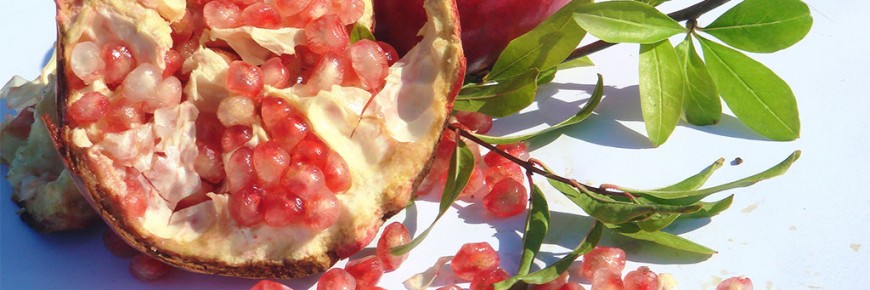
Pomegranates have up to three times the antioxidants of red wine and green tea – and the juice has been shown to reduce artery-clogging plaque, which in turn prevents heart disease and stroke. Research shows that long-term consumption of pomegranate juice may also help slow aging and protect against cancer.
Beans
Beans, beans, the powerful fruit. The more you eat…the healthier you are. Beans, including garbanzo, white, black, red, and navy, are naturally low in fat and contain no saturated fat, trans fats, or cholesterol. They are high in protein, fiber, iron, folic acid, and potassium. While all beans have benefits, the more colorful beans, such as red and black, may have an added bonus: eight types of flavonoids. Scientists say these plant chemicals act as antioxidants, which give you protection against heart disease and certain cancers. Studies also suggest eating beans may help manage diabetes and reduce the risk of high blood pressure and stroke.
Fish and Fish Oil
Eating fish helps cut the risk of heart disease, cancer, Alzheimer’s, stroke, diabetes, and arthritis. The fatty varieties may also help alleviate depression.The American Heart Association recommends that adults eat at least two fish meals per week, especially wild salmon, herring, and sardines, because those varieties provide the most heart-healthy omega 3s. Avoid mercury-containing varieties like shark, swordfish, king mackerel, tilefish, and albacore tuna, says Roberta Anding, M.S., R.D., national spokesperson for the American Dietetic Association. (Chunk light tuna is okay.)

